Water management is becoming one of the most critical challenges across agriculture, landscaping, and commercial maintenance operations. As environmental pressure increases, irrigation systems are evolving from manual setups to data-driven solutions.
From Manual Irrigation to Smart Systems
Traditional irrigation relied on fixed schedules and manual control. Today, systems are shifting toward precision irrigation, integrating sensors, automation, and remote monitoring.
This transition is driven by the need to:
- Reduce water waste
- Improve efficiency
- Maintain consistent output
- The global precision irrigation market is growing rapidly, driven by water scarcity and the need for optimized resource use .
Key Components Driving Modern Irrigation
Modern irrigation systems are no longer just hoses and valves. They now include:
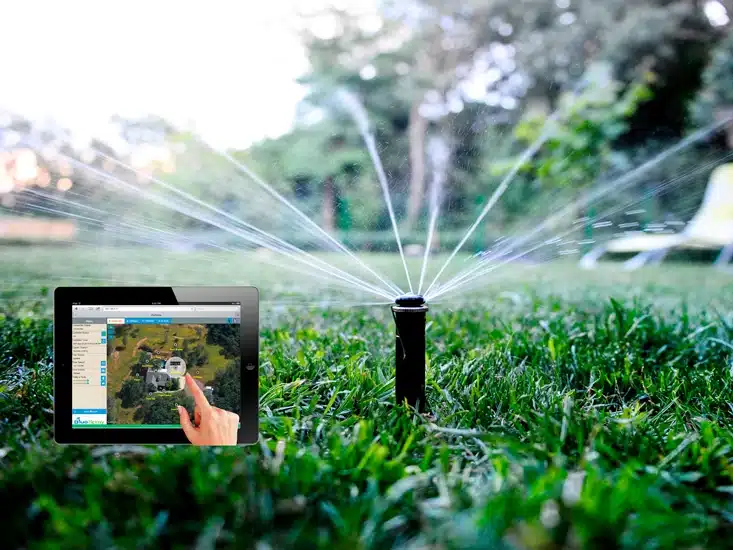
- Smart controllers (WiFi / automated scheduling)
- Soil moisture sensors
- Pressure regulators
- Inline filtration systems
These components work together to create a controlled and efficient water distribution system.
Why Filtration and Control Matter
One of the most overlooked elements in irrigation systems is filtration.
Debris, sediment, and mineral buildup can:
- Block emitters
- Reduce system efficiency
- Damage components
Inline filters and pressure regulation systems are now considered essential, not optional.
Commercial and Landscaping Applications
Smart irrigation is no longer limited to agriculture. It is widely used in:
- Commercial landscaping
- Property maintenance
- Residential developments
- Golf courses and large-scale facilities
These environments demand efficiency, reliability, and scalability.
Conclusion
Irrigation is no longer just a utility—it is becoming a data-driven system.
Companies that adopt precision solutions gain efficiency, reduce waste, and improve long-term operational performance.